
Centre for Applied Reflection on Humanitarian Practice



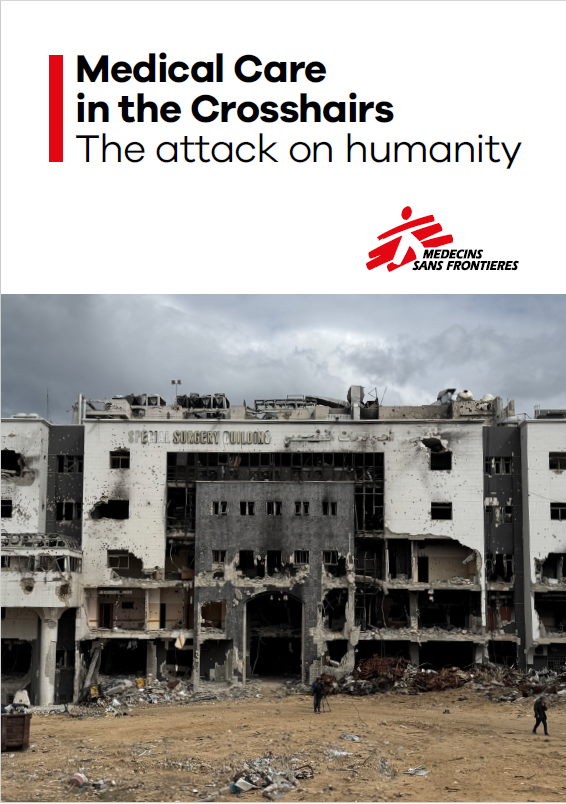
Medical Care in the Crosshairs
Attacks on medical care in armed conflicts have reached record levels. Warring parties – including states – are increasingly shirking their obligation under international humanitarian law (IHL) to protect medical facilities, personnel, patients and vehicles. Nearly 10 years after UN Security Council resolution 2286, this report draws figures from existing international databases and MSF’s own experience in armed conflict and provides recommendations to comply with IHL, respect civilian lives, ensure accountability, and reverse the culture of impunity.
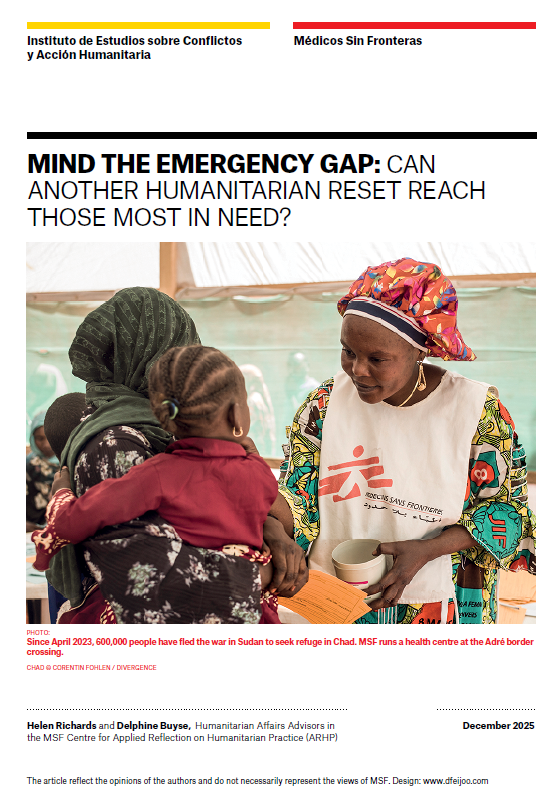
Mind the Emergency GAP
10 years ago, MSF launched the Emergency Gap project, in response to widespread concerns that the presence of humanitarian actors and the capacity for emergency response was declining, especially in conflict zones. As humanitarian actors contemplate how to restore relevance and legitimacy and return to the ´core business´ of humanitarian work, many of the findings from MSF’s Emergency Gap project remain acutely relevant, in the midst of the unfolding collapse of the humanitarian sector as we know it.
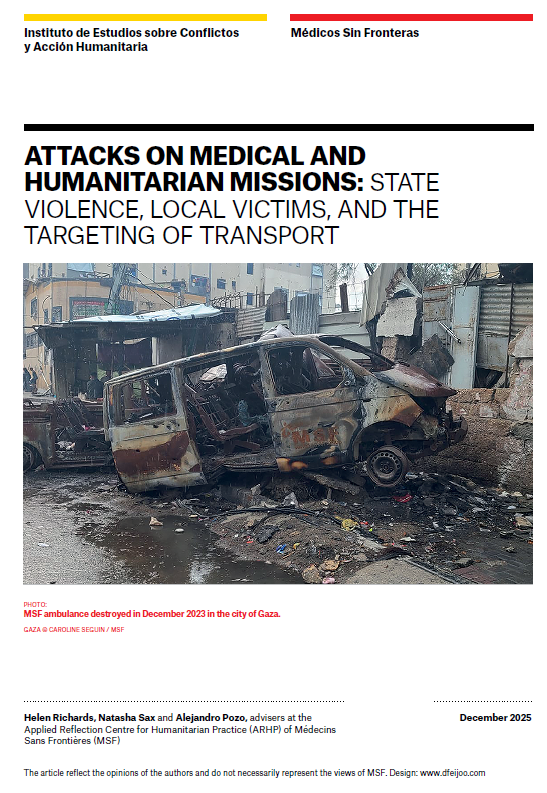
Attacks on medical and humanitarian missions
MSF’s experience in conflict areas highlights how health services are increasingly threatened in armed conflicts, particularly in urban warfare. Attacks frequently violate international humanitarian law (IHL) yet continue with little accountability. Beyond the immediate harm to staff, patients, and infrastructure, such violence disrupts or suspends medical services, denying people their right to adequate care.
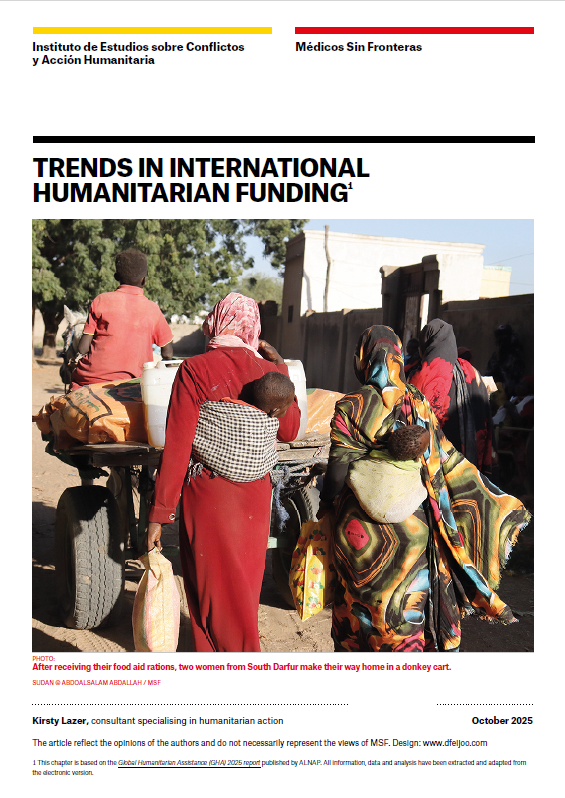
Trends in Global Humanitarian Financing
This analysis reveals a humanitarian sector entering financial crisis. 2024 saw the largest drop in humanitarian funding ever recorded -10%-, following cuts by many of the major donors. With further reductions announced in 2025, the GHA Report estimates public funding for humanitarian assistance could contract by around 34-45% compared to its peak in 2023.
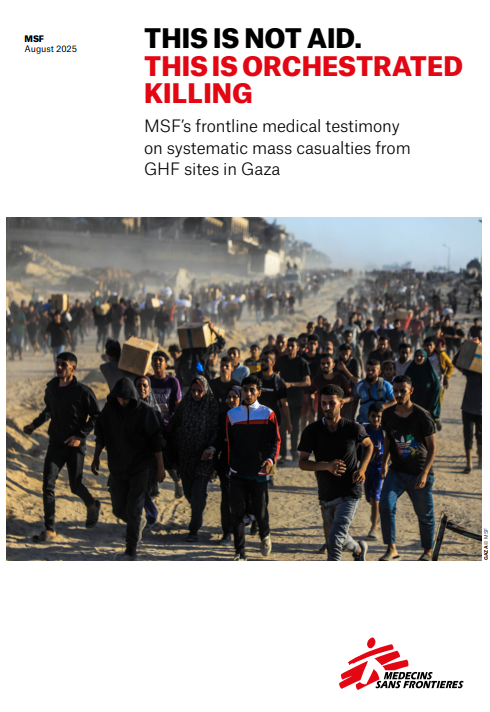
This is not aid. This is orchestrated killing
This MSF’s report draws on medical data, patient testimonies and first-hand medical witnessing to demonstrate that what has been branded as “aid distribution” is in fact a system of institutionalised starvation and dehumanisation. MSF calls for an immediate cessation of the GHF distribution mechanism and urges states and private donors to refrain from funding what is essentially a death trap.
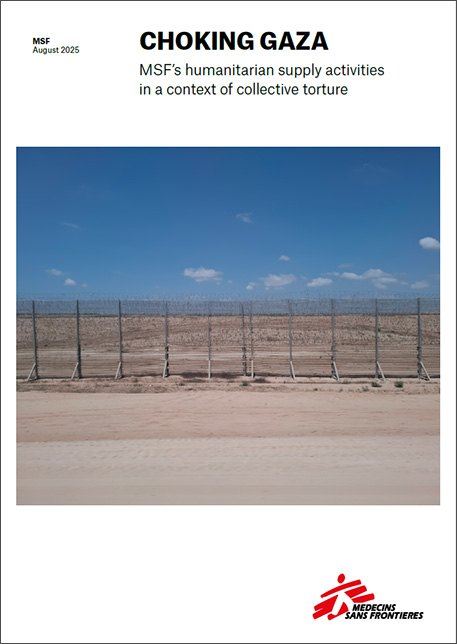
Choking Gaza
Insecurity, delays, logistical blockages, and the instrumentalization of aid severely limited the impact of the humanitarian response. This report highlights the arbitrariness and inefficiency of Israeli procedures for authorizing and managing the entry of essential supplies into Gaza between October 7, 2023, and January 31, 2025.
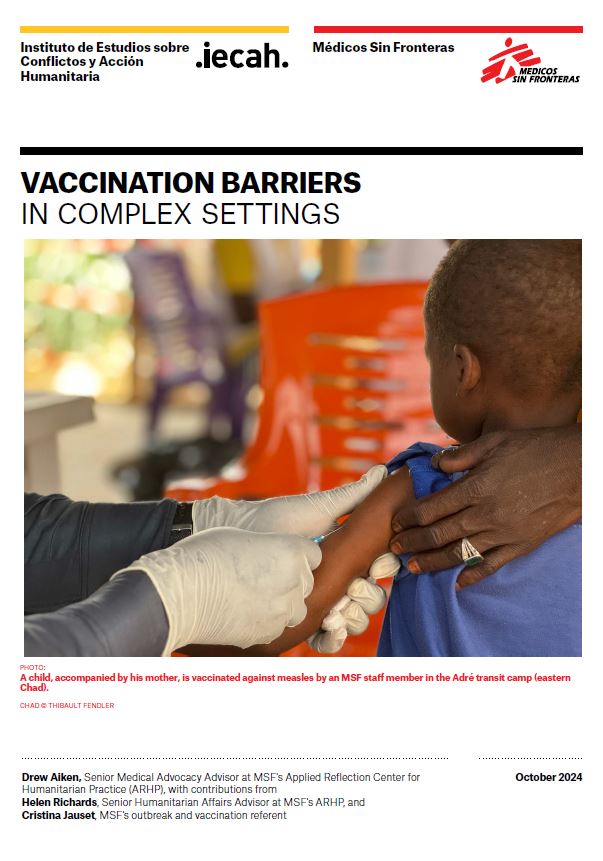
Vaccination barriers in complex settings
Vaccination remains one of the most effective interventions to prevent illness and death. Yet, for people living in conflict and humanitarian settings, access to routine vaccination, vaccination catch up, or needed interventions when outbreak occurs is far from guaranteed.
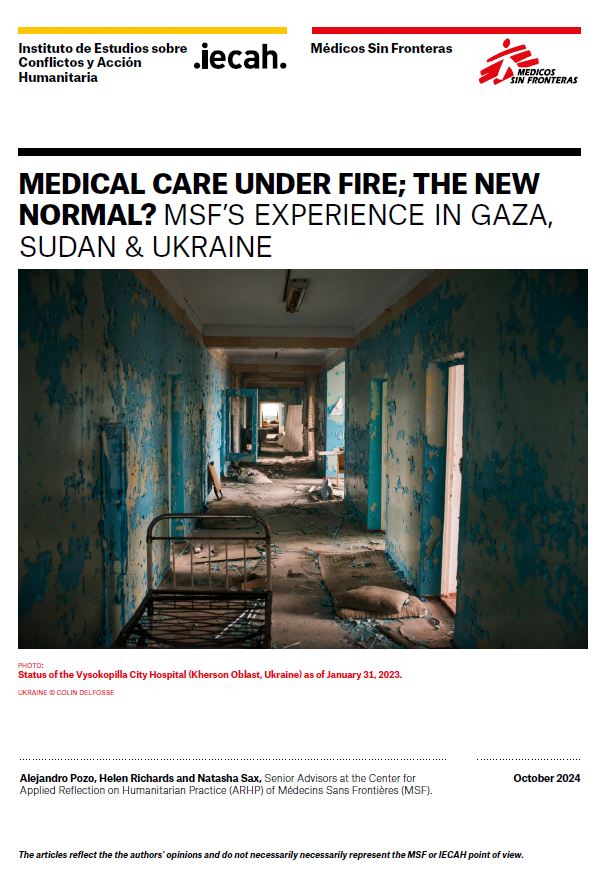
Medical Care Under Fire; The New Normal? The MSF’S experience in Gaza, Sudan & Ukraine
The passing of Resolution 2286 marked a moment of “hope,” and was accompanied by a proliferation of initiatives to report and monitor attacks on medical and humanitarian missions.
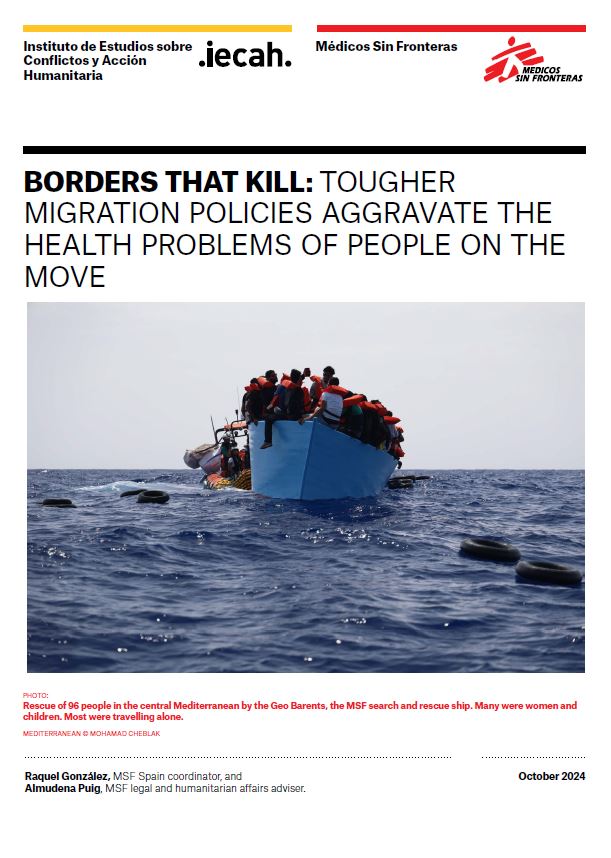
Borders that Kill: Tougher migration policies aggravate the health problems of people on the move
This analysis provides an overview of the situation of vulnerability of migrants, refugees and asylum seekers in different parts of the world due to the tightening of migration policies.
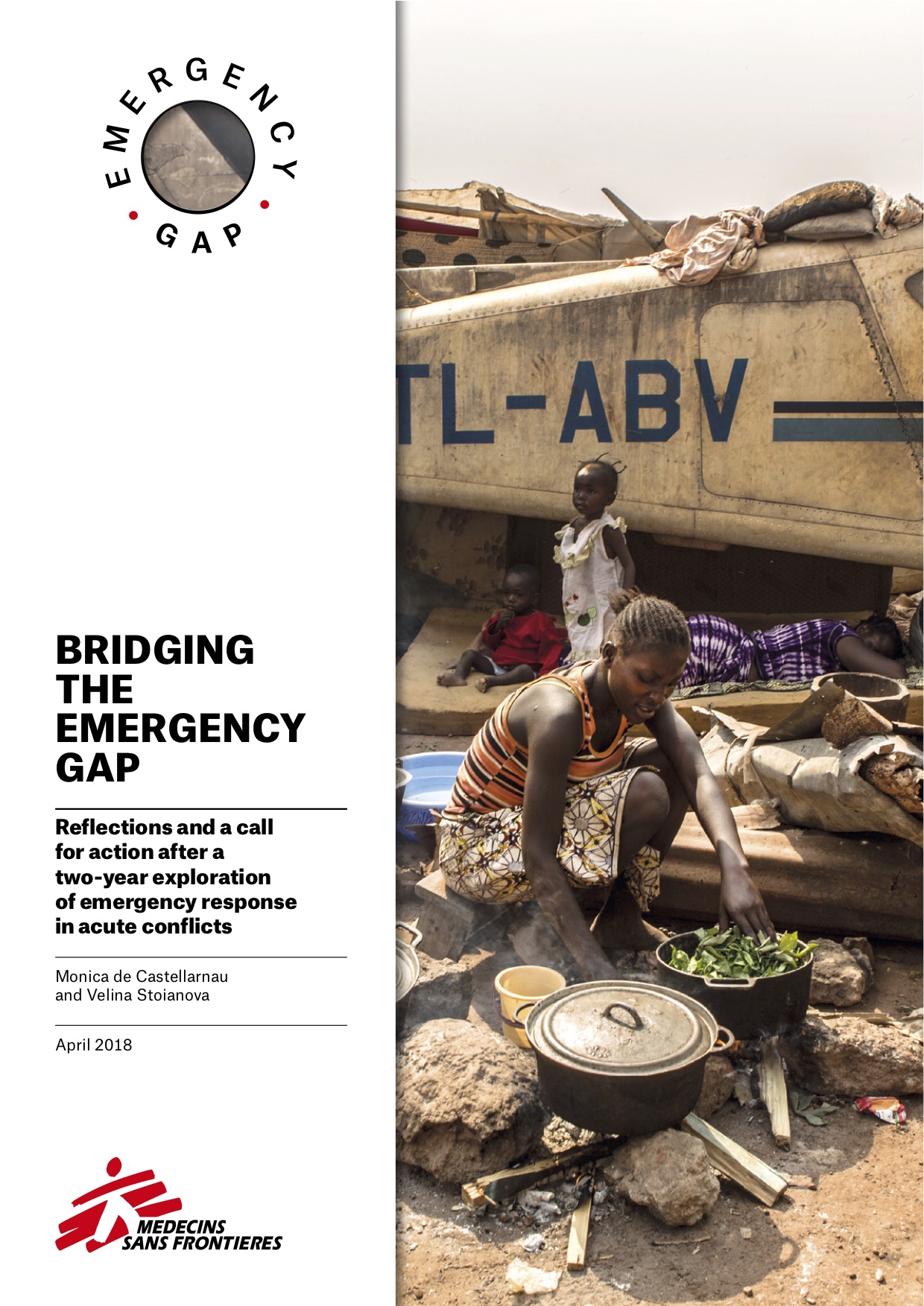
Emergency Gap final report: Bridging the emergency gap
There is general consensus that the humanitarian sector is failing to mount timely and adequate responses in the acute phase of conflict-related emergencies, according to the two-year Emergency Gap Project by Médecins Sans Frontières (MSF).